Cross-Border User Dynamics in Hybrid Gaming and Betting Applications
Wendy Hoffmann · Aug 7, 2026
Cross-Border User Dynamics in Hybrid Gaming and Betting Applications
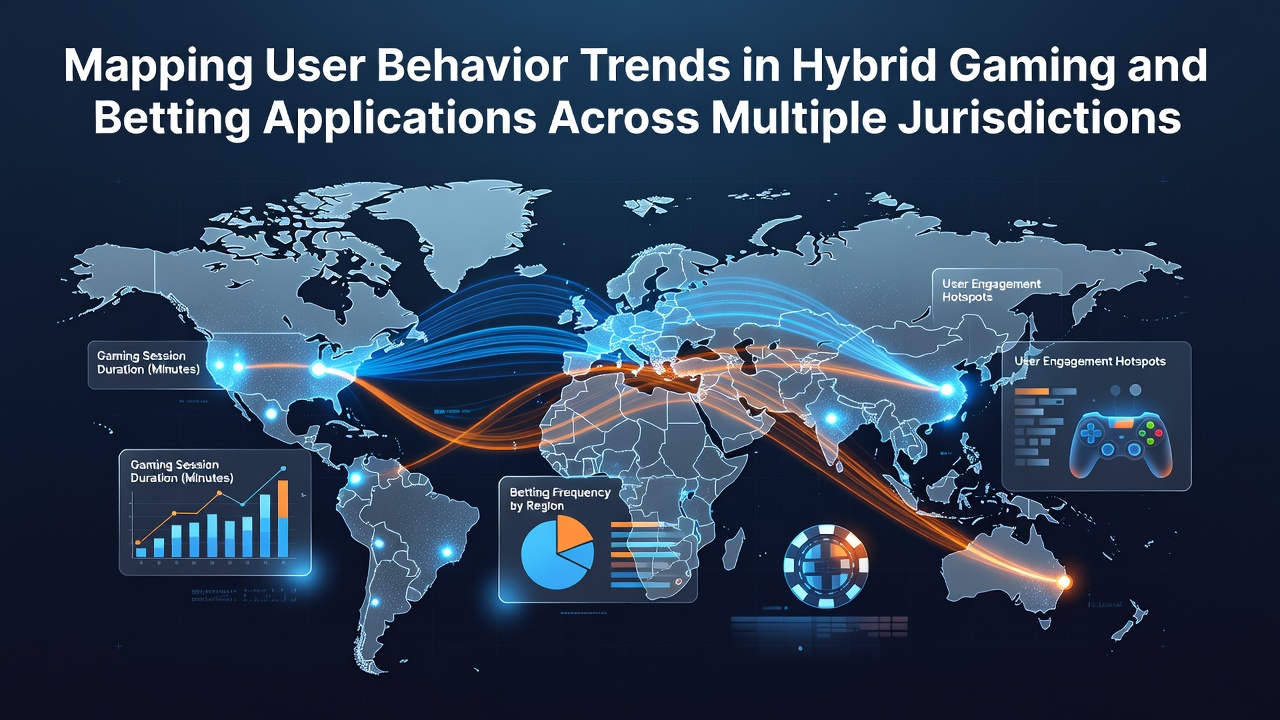
Hybrid applications that combine casino-style gaming with sports and event betting continue to attract users who switch between these activities within single sessions, and data collected from operators in Europe, North America, and Asia-Pacific regions shows consistent patterns in session duration and feature preferences. Researchers tracking these platforms note that users often begin with sports wagers before moving to slot or table games, while the reverse sequence appears less frequently across the datasets examined in 2025.
Regulatory Influences on Engagement Patterns
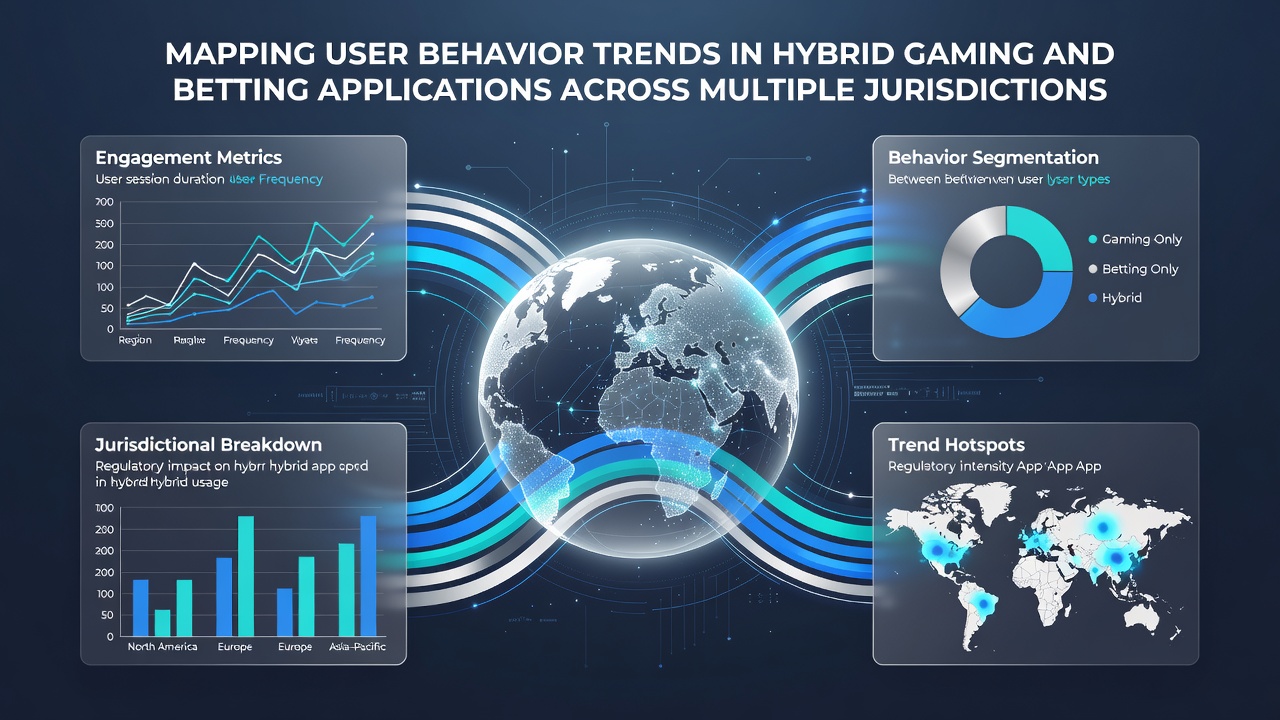
Jurisdictions apply distinct rules to deposit limits, bonus structures, and age verification, and these differences shape how users interact with hybrid features. In markets with stricter spending caps, such as those overseen by the Malta Gaming Authority, session lengths tend to shorten yet frequency of returns rises compared with regions that permit higher thresholds. Observers note that Australian users under the oversight of state-based regulators demonstrate higher rates of in-app social features usage, including leaderboards and shared challenges, while North American participants show stronger preference for live betting integrations during major events.
What's interesting is the way compliance tools affect navigation choices; users in Canada, monitored through provincial frameworks, encounter more frequent responsible gaming prompts that correlate with increased exploration of demo modes before real-money play begins. A report from the European Gaming and Betting Association outlines how these prompts appear at different intervals depending on local legislation, leading to measurable shifts in the order of game selection within the same application.
Device and Timing Trends Across Regions
Mobile usage dominates across all examined jurisdictions, yet tablet engagement spikes during evening hours in several Asian markets while desktop sessions remain steadier in parts of the United States. Data indicates that peak activity windows align with local sports calendars, so hybrid apps see simultaneous rises in both betting and gaming volumes when football or basketball seasons reach critical stages. August 2026 figures from multiple operator dashboards reveal that weekday afternoons produce steadier but lower-volume engagement compared with weekend clusters, where users often chain multiple short sessions rather than one extended period.
Payment method preferences also diverge by region, and those patterns influence how quickly users move between betting and gaming modules. Credit card deposits remain common in certain European countries, whereas e-wallet adoption leads in Australia and parts of Southeast Asia, resulting in faster transitions back into active play. Researchers tracking these flows find that users who complete deposits via instant methods spend proportionally more time in gaming sections immediately afterward, whereas slower verification processes correlate with higher abandonment rates before the first gaming round begins.
Feature Preferences and Retention Data
Hybrid platforms that allow seamless balance transfers between betting wallets and gaming credits record higher retention across borders, according to aggregated industry metrics. Users in jurisdictions with unified tax reporting requirements tend to maintain longer account lifespans, while those facing fragmented rules across states or provinces switch platforms more often. Studies compiled by academic groups, including work referenced through the National Council on Problem Gambling in the United States, show that reward structures tied to combined activity, such as loyalty points earned from both betting and gaming, increase the likelihood of repeated logins within a seven-day window.
Take one analysis covering multiple operators that revealed users aged 25 to 34 favor rapid-fire slot sessions interspersed with live sports updates, whereas older cohorts maintain steadier focus on either betting or table games without rapid switching. These age-based distinctions hold across the sampled jurisdictions even though absolute participation rates vary with local market maturity.
Conclusion
Patterns emerging from cross-jurisdictional data collection highlight how regulatory frameworks, device habits, and feature design interact to shape user flows within hybrid applications. Continued monitoring through 2026 and beyond will clarify whether these trends stabilize or shift further as new markets open and existing rules evolve.