Mobile Betting App Adoption Rates Reveal Regional and Demographic Divides
Harper Richter · Oct 4, 2026
Mobile Betting App Adoption Rates Reveal Regional and Demographic Divides
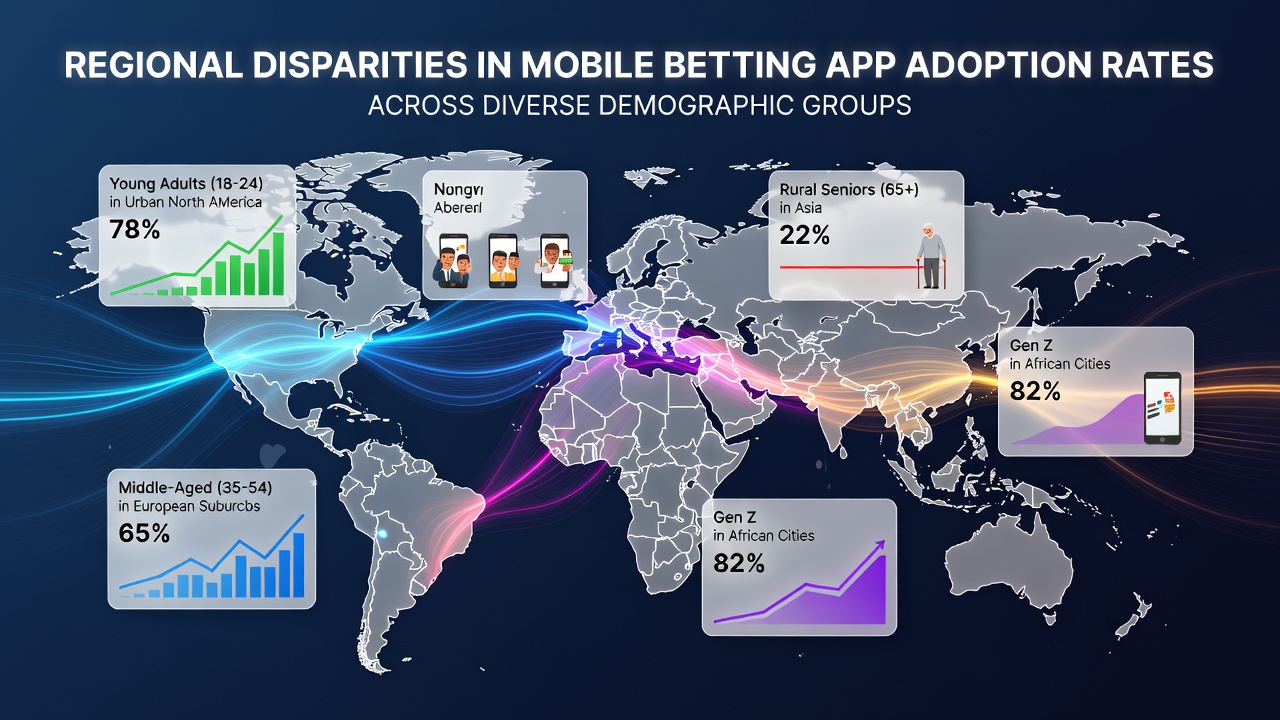
Data released in October 2026 highlights clear differences in how mobile betting apps have spread across regions and population groups, with adoption shaped by infrastructure, regulations, and socioeconomic factors. Researchers tracking smartphone penetration alongside betting platform downloads note that urban centers consistently outpace rural areas, while age brackets and income levels create additional layers of variation in usage patterns.
Urban and Rural Gaps in Access
Urban populations show higher rates of mobile betting app engagement because of reliable broadband networks and widespread smartphone ownership, whereas rural communities often face slower connections that limit app functionality and real-time betting features. Studies indicate that city dwellers in North America and parts of East Asia record adoption levels nearly double those in countryside districts, driven by easier access to 5G services and digital payment systems that integrate seamlessly with betting platforms.
Observers note that infrastructure investments in emerging markets have started to narrow some of these gaps, yet rural users still encounter barriers such as limited data plans and fewer local banking options tied to app accounts. One analysis of Southeast Asian markets found that households with fiber optic access adopted mobile betting tools at rates three times higher than those relying on mobile-only connections in remote provinces.
Age, Gender, and Income Patterns
Younger adults between 18 and 34 represent the largest user segment across most regions, with adoption figures from government surveys showing this group accounting for over 60 percent of active mobile betting accounts in several European countries. Older demographics adopt at slower paces, often citing privacy concerns and unfamiliarity with digital interfaces as primary reasons for lower engagement.
Gender differences appear in multiple datasets, where men register higher participation rates than women in most tracked markets, though the margin narrows in regions with stronger regulatory frameworks around responsible gaming tools. Income levels further segment the landscape, as higher-earning households demonstrate greater willingness to link bank accounts or digital wallets to betting apps, while lower-income groups show preference for prepaid options or avoid the platforms altogether due to perceived financial risks.
Regional Variations Across Continents
North American markets display strong adoption in states with legalized sports betting, supported by widespread mobile coverage and partnerships between app developers and professional leagues. In contrast, parts of South America and Africa record lower overall rates, though urban pockets in Brazil and South Africa have seen rapid growth following recent regulatory updates that legalized certain forms of online wagering.
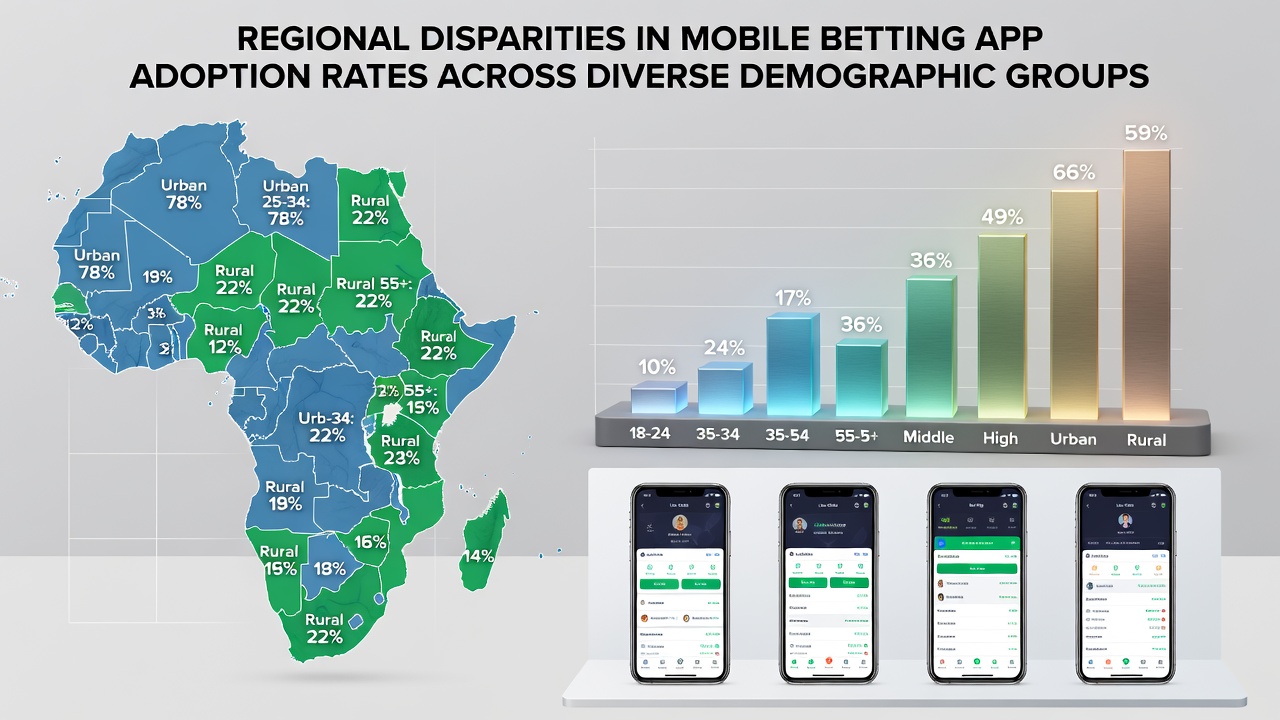
European adoption varies sharply between Western and Eastern regions, with Nordic countries leading due to established digital payment ecosystems and high smartphone penetration. Eastern European nations show more fragmented patterns tied to varying national rules on online gambling. Asia presents another contrast, where markets like Singapore and South Korea maintain strict controls that keep adoption moderate, while other areas experience higher unofficial usage through offshore apps despite local restrictions.
Influence of Education and Cultural Factors
Educational attainment correlates with adoption rates in several large-scale surveys, as individuals with university degrees tend to adopt mobile betting apps more readily than those with lower formal education levels. This pattern holds across multiple continents and connects to greater comfort with financial technology and data privacy settings embedded in the apps.
Cultural attitudes toward gambling also shape outcomes, with societies that view betting as entertainment showing faster uptake compared to those where it carries stronger social stigma. Research from academic institutions indicates that targeted marketing in local languages and culturally relevant features, such as support for regional payment methods, can increase adoption within specific demographic clusters without altering broader regulatory landscapes.
Conclusion
Regional disparities in mobile betting app adoption continue to reflect differences in technology access, regulatory environments, and demographic characteristics. Data from sources such as Pew Research Center reports on mobile usage and Australian Bureau of Statistics digital economy figures provide ongoing snapshots that help track these shifts. Continued monitoring reveals how infrastructure improvements and policy changes may gradually alter the current distribution across diverse population groups.