Synchronizing Randomness: Calibration Processes in Networked Progressive Jackpots
Wendy Hoffmann · Aug 18, 2026
Synchronizing Randomness: Calibration Processes in Networked Progressive Jackpots
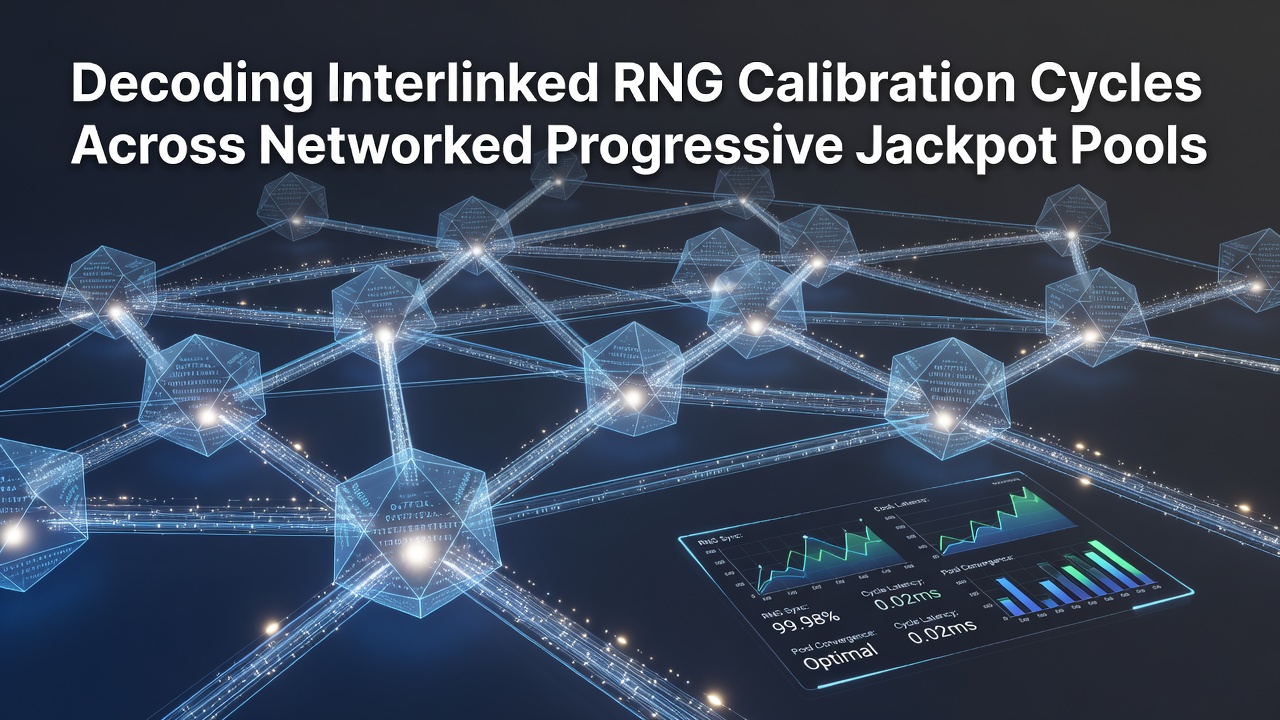
Networked progressive jackpot pools connect multiple gaming machines across different venues and platforms, which allows prize amounts to grow through shared contributions, and calibration cycles ensure that random number generators maintain statistical integrity throughout these linked environments. Operators adjust parameters at regular intervals because synchronization across networks can introduce patterns if left unchecked, and data from regulatory testing shows that calibration helps preserve fairness in systems where contributions flow from thousands of terminals simultaneously.
Core Mechanics of Interlinked RNG Systems
Random number generators in progressive setups rely on algorithms that produce sequences for determining outcomes, yet when pools link across sites the calibration must account for aggregated data streams from each location. Technicians monitor seed values and cycle frequencies because variations in network latency or hardware differences can affect distribution uniformity, and reports from the Nevada Gaming Control Board indicate that standardized calibration protocols reduce deviation risks in multi-site configurations. Calibration cycles typically run on schedules ranging from hourly checks during peak hours to daily full-system audits, which allows technicians to verify entropy levels while the jackpot continues accumulating contributions without interruption.
Those who manage these networks often integrate feedback loops that compare real-time output against expected probability models, and adjustments occur when statistical thresholds are crossed. The process incorporates elements like reseeding events and parameter resets that keep sequences unpredictable, while observers note that August 2026 saw several major operators deploy updated firmware to align with evolving international testing standards for linked prize systems.
Calibration Cycle Patterns Across Networks
Interlinked pools exhibit distinct calibration rhythms because each connected node contributes to the overall randomness pool, which creates interdependencies that isolated machines do not face. Studies from research institutions such as those affiliated with the University of Nevada, Reno have examined how cycle lengths influence payout distributions, revealing that shorter calibration intervals correlate with tighter adherence to theoretical return percentages in high-volume progressive environments. Technicians track metrics including autocorrelation and frequency distribution during each cycle, then apply corrections that propagate across the network to maintain consistency.
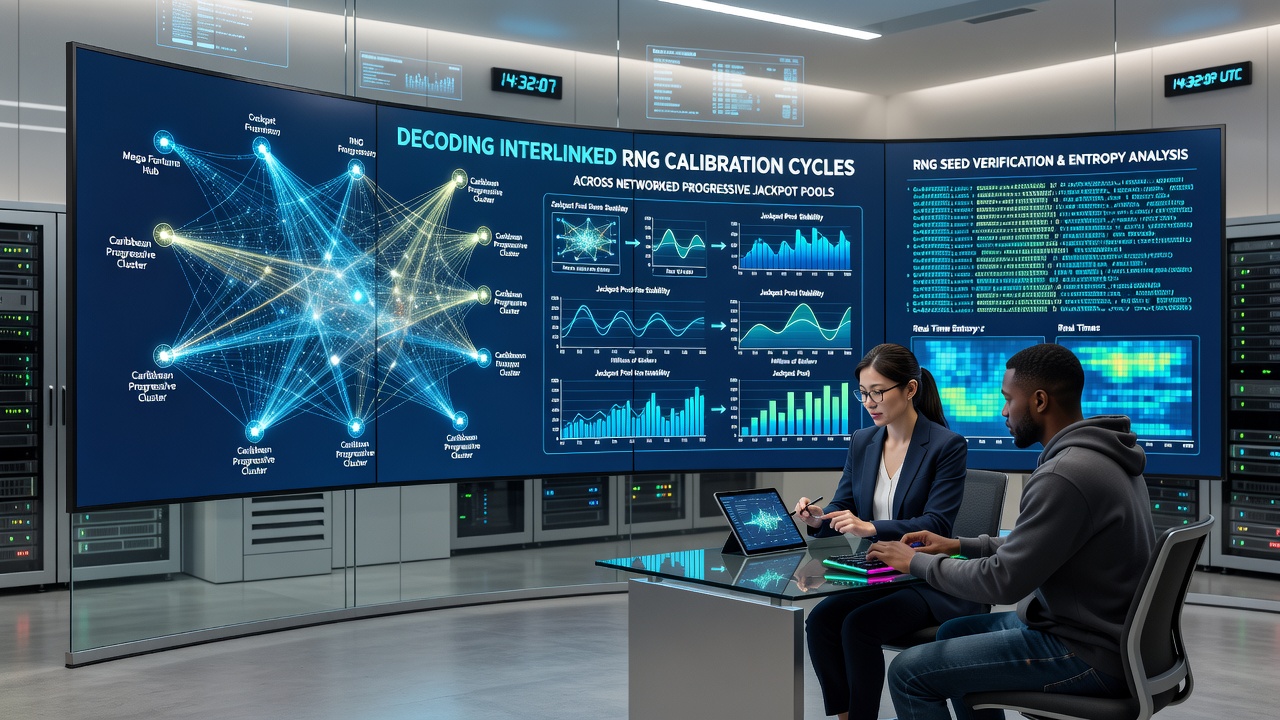
What's notable is how these cycles interact with jackpot triggers, since a calibration event can coincide with contribution spikes and thereby alter the timing of potential wins without changing the underlying probabilities. Gaming laboratories like iTech Labs have documented cases where recalibration during high-traffic periods helped stabilize variance across linked European and North American sites, and data indicates that such interventions become more frequent as pool sizes exceed certain monetary thresholds. Network architects design these systems with redundancy so that one node's calibration does not cascade into widespread disruptions, which keeps the shared prize pool operational while individual machines undergo verification.
Technical Challenges in Multi-Site Synchronization
Latency between venues poses ongoing challenges for maintaining synchronized RNG states, and operators address this through timestamped calibration commands that account for transmission delays. Evidence from industry reports shows that packet loss or timing mismatches can skew sequence generation if calibration cycles fail to compensate, leading to protocols that include buffer periods and confirmation handshakes before applying updates across the network. In August 2026 several platforms introduced enhanced encryption for these calibration signals, which reduced the window for potential interference while preserving the speed required for real-time jackpot tracking.
Those managing large-scale progressive networks also contend with hardware aging, since older terminals may require more frequent calibration to match newer units contributing to the same pool. Research indicates that differential calibration schedules, where certain nodes receive adjustments at offset intervals, help balance the overall system without halting contributions. This approach has been adopted in various jurisdictions outside the UK, including oversight bodies in Australia and Canada, where regulators emphasize documented calibration logs as part of compliance requirements.
Conclusion
Calibration cycles in networked progressive jackpot pools serve as essential mechanisms for preserving randomness across interconnected systems, and ongoing refinements continue to address synchronization demands as networks expand. Data from multiple regulatory and research sources demonstrates that structured calibration supports consistent statistical performance even when thousands of machines feed into shared prize structures. As operators integrate newer technologies, these processes evolve to handle increased complexity while meeting standards set by diverse international authorities.